If you ask two Lilongwe farmers, Mercy Chilembwe and Alifosina Banda, they will tell you one thing: fake fertiliser and seed can be just as devastating as adverse weather.
Chilembwe, a farmer from Nthambala Village in T/A Kalumbu’s area, told our sister newspaper The Nation last November that she had bought fake seed from a vendor during a market day. She was forced to buy another five-kilogramme bag from a certified agro-dealer for winter cropping to make up for the loss.
On the other hand, Banda said she bought fertiliser which, although the 50-kilogramme bag was properly labelled and packaged, turned out to be fake.
The Seed Services Unit under the Ministry of Agriculture, Irrigation and Water Development indicates that rising prices force farmers into the hands of unscrupulous traders.
The department has also attributed the problem to underproduction of certified seed, with manufacturers producing only 18 000 metric tonnes against the required 40 000 metric tonnes. As a result, yields can fall to 700 kilogrammes per hectare from a potential 5 000 to 12 000 kilogrammes per hectare.
Apart from planting the wrong seed, Malawian farmers face post-harvest losses that reduce agricultural output by about 30 percent annually.
Value-addition, meanwhile, has been touted as one of the ways of making agribusiness a reality.
A youthful movement championed by Agra Malawi is slowly but surely shaking up the country’s food system to counter challenges such as fake inputs and post-harvest losses while increasing value addition.
Felix John owns Khumulike Agrodealers at Kachenga in Balaka. He says fake seeds, fertiliser and chemicals frustrate farmers’ efforts to progress. Apart from running the business, he also grows macadamia nuts, groundnuts and maize, and keeps bees.
“You will find these products properly packaged in manufacturers’ brands. But even more, some of the people who sell these products may not have the proper expertise to advise farmers on which products to use and how,” he says.
According to John, after undergoing agro-dealership training with the Rural Markets Development Trust (Rumark) last year, he acquired the knowledge needed to help farmers obtain the right inputs and achieve better yields for the market.
“The training made a big difference. I got knowledge on merchandising and how seeds of different crops or chemicals work. Today, even if a farmer comes with an infected crop uprooted from their field, I can tell them which particular chemical to use and how to apply it,” says John.
With support from Agra, Rumark is implementing the 36-month Youth Work in Agro-dealership Development programme, which runs until June 2027. The programme targets 1 000 new and 600 existing youth agro-dealers in the Salima, Lilongwe, Machinga and Kasungu agricultural development divisions.
Rumark programmes manager Macphelly Masangano said the initiative started in 2024.
“In the past, only the old folk were involved in this business. Not only do we teach the youth how to run the business, but we also run a revolving fund where they can get at least $300 (about K523 000) to buy seed or chemicals from established companies. When they pay back, the companies have confidence in them and offer them more,” he said.
Value-addition is one area that can increase returns while reducing post-harvest losses, which contribute to low agricultural output in the country.
For 35-year-old Pemphero Chingamtolo, who owns Bisaz Investment Farm in Lilongwe, there is more to agriculture than cultivating crops and selling produce raw. In her case, groundnuts end up as peanut butter; she harvests hibiscus to produce chidede juice, while her mangoes are processed into achar.
Working in partnership with the Lilongwe University of Agriculture and Natural Resources (Luanar) Africa Centre of Excellence in Transformative Agriculture Commercialisation and Enterprise (Tace), she is a beneficiary of a project promoting young agripreneurs.
To capitalise further on agriculture, Chingamtolo also runs Bisaz Kitchen, which provides catering services using vegetables, fish and maize sourced directly from her Lilongwe farm. She credits the skills and opportunities provided by Agra for helping her grow the business.
“We don’t have to wait for retirement to do agribusiness. With all the good soils in Malawi, lots of experience in farming both in school and at home, we can grow and employ others. In my case, I employ over 10 other youths,” she says.
We see bananas everywhere. But who would think of doing more than just selling them raw and instead turning them into rare snacks?
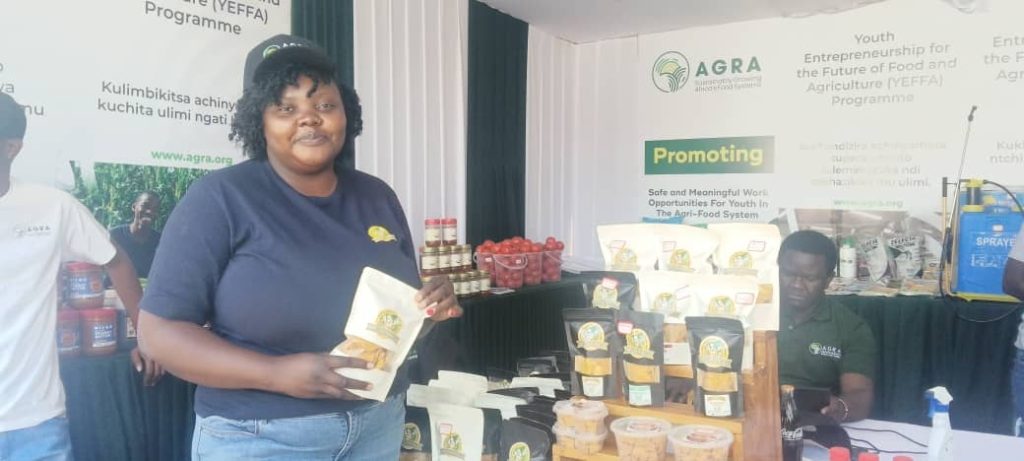
Felistas Chisi, founder of Niah’s Crunchy Harvest, believes the youth can also add value to agricultural produce bought from farmers. She cites her own example, in which she buys plantains from Nkhata Bay to produce purely organic snacks in four flavours: chilli, barbecue, salt and sweet.
“I saw that a lot of bananas were being lost, so I decided to come up with these snacks, which are good for children as well as adults. I buy plantains from Nkhata Bay farmers and process them into these 100 percent organic snacks since we use no additives,” she says.
According to Chisi, production was initially manual when she operated from a small kitchen in Lilongwe, but she has since increased production with assistance from Agra.
“We can rake in more forex if we fully embrace value addition. While we have increased production, we still face the major hurdle of lack of certification from the Malawi Bureau of Standards. This has prevented us from penetrating chain stores and supermarkets,” she says.
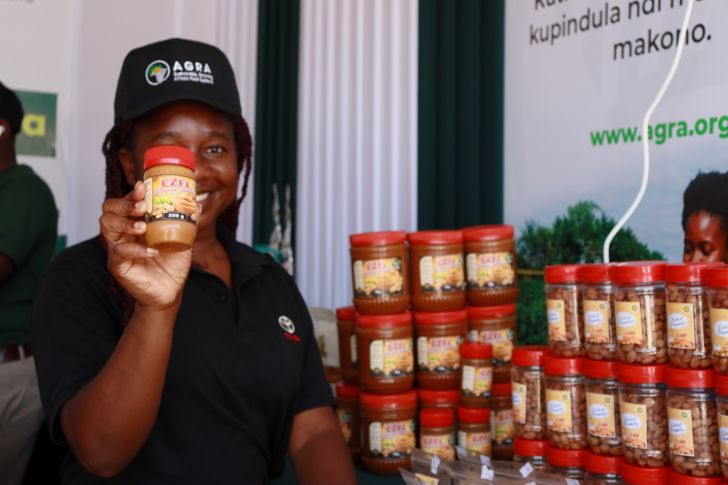
Elizabeth Teleka, a 28-year-old primary school teacher and owner of Ezel Agro-processors, produces peanut butter, coated peanuts and Magede Nuts from macadamia. She said she is pushing for certification.
“They gave me the guidelines and I am working on it. One thing is to get a proper space, which they will need to inspect,” she said.
The 33-year-old Chisi, who is also participating in the Agra/Luanar-Tace Youth Work in Agro-dealer Development project, said she had tried to obtain MBS certification but was told she needed a separate production facility.
“For a start-up like mine, it would take some time. This is where most youth businesses fail, as the requirements do not consider youth who may have started businesses with their own little capital. So, I am yet to acquire MBS certification,” she said.
According to Eluphy Nyirenda, Agra Malawi country director, her organisation is running the Youth Entrepreneurship for the Future of Food and Agriculture programme, which seeks to empower one million young people through different projects, with 746 126 expected to be in employment through various projects implemented by different organisations.
Further, she says 251 513 agriculture-related jobs should be created, with 50 percent of them going to young women and two percent to youth with disabilities.
“This programme has the potential to be a game changer for young Malawians in agriculture. We are deliberately focusing on young women and those with disabilities, ensuring inclusivity in agribusiness opportunities. Agriculture is not just about farming; it is about entrepreneurship, innovation and creating jobs,” she said.